
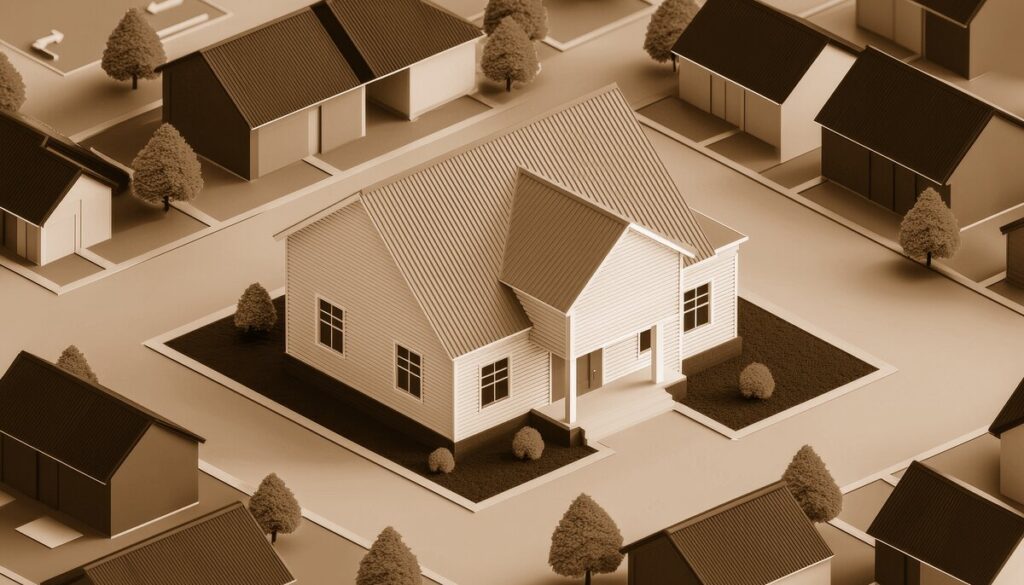
Nestled in the heart of southeast Denver, Crestmoor Park is much more than a scenic enclave of tree-lined streets and charming homes. To walk these avenues is to take a step back in time, where the roots of a close-knit community intertwine with the evolving story of Denver itself. Whether you’re a lifelong resident or a curious visitor, Crestmoor Park’s legacy is woven into every corner—offering a unique glimpse into the city’s enduring spirit.
The Birth of Crestmoor Park: From Prairie to Established Neighborhood
Long before Crestmoor Park became synonymous with classic Denver living, this area was part of the vast prairies that stretched beyond the city’s early 20th-century borders. Its development began in earnest in the 1930s and 1940s, as Denver expanded to meet the needs of a growing postwar population.
The neighborhood’s name, “Crestmoor Park,” is a tribute to its central green space—a lush, inviting park situated near the crest of a gentle rise, with “moor” reflecting the open landscapes that characterized the area before development. The park quickly became the heart of the community, with streets radiating out—such as Cedar Avenue, Locust Street, and Monaco Parkway—forming a picturesque grid that invites leisurely strolls and neighborhood gatherings.
Key Milestones: Building a Community
Crestmoor Park’s history is marked by deliberate planning and community-minded design. In the late 1940s, developers envisioned a tranquil haven with generous lots, stately homes, and ample green space—a distinct alternative to the denser, more urban neighborhoods closer to downtown Denver.
- 1940s-1950s: Development surged, with elegant brick homes, ranch-style houses, and Tudor revival properties filling in the grid. Wide setbacks and shaded sidewalks became defining features, attracting families seeking spaciousness and tranquility.
- 1950 Crestmoor Community Association Founded: Established to preserve the character of the neighborhood and maintain the park’s beauty, the Crestmoor Community Association remains a guiding force today, promoting social events, park care, and neighborly spirit.
- Local Institutions: The construction of area schools, such as Carson Elementary and St. Mary’s Academy (located just beyond the immediate neighborhood’s boundaries), cemented Crestmoor’s reputation as a family-friendly haven.
Landmarks and Architectural Heritage
Crestmoor Park’s landscape is dotted with noteworthy landmarks and architectural gems. The park itself—a sprawling 37-acre retreat bordered by Jersey, Locust, 1st, and 6th Avenues—serves as the neighborhood’s focal point. Here, residents enjoy:
- Walking paths beneath graceful elms and maples
- Tennis courts, playgrounds, and open lawns for all ages
- Summer picnics and neighborhood gatherings that have carried on for generations
Not to be overlooked, several historic homes along 2nd Avenue and Magnolia Parkway showcase the period architecture of the neighborhood’s early years, with details like stone masonry, leaded glass windows, and gracious front porches.
Another notable institution is the Crestmoor Community Association Pool and Tennis Club—established in the 1950s as a private club for residents, it remains a cherished spot for summer recreation and social connection.
Evolution Over the Decades: Modernity Meets Tradition
While Crestmoor Park has retained much of its original charm, the decades have seen changes both subtle and significant. During the 1970s and 1980s, Denver experienced waves of development, yet Crestmoor stood apart thanks to its carefully managed zoning and the vigilance of its residents.
- Preservation vs. Progress: As homes aged, some were lovingly restored, while others underwent tasteful renovations or rebuilds—always with an eye toward harmony with the neighborhood’s historic feel.
- A Community in Transition: Today, Crestmoor Park appeals to a vibrant mix of families, professionals, and longtime residents. Modern amenities blend seamlessly with classic architecture, ensuring that new generations continue to find their place here.
- Green Spaces Endure: Through collective effort, Crestmoor Park’s public spaces have remained beautifully maintained. Block parties, Fourth of July parades, and weekend soccer games keep the spirit of community alive and thriving.
Institutions That Bind the Neighborhood Together
Crestmoor Park’s sense of identity is shaped not just by its physical beauty, but by the people and organizations invested in its success.
- Crestmoor Community Association: The association sponsors events throughout the year, from holiday carriage rides to the annual summer picnic—ensuring there’s always a reason for neighbors to connect.
- Nearby Schools and Religious Institutions: While the neighborhood itself is primarily residential, its proximity to top-rated schools and churches just beyond its borders, such as Hill Middle School and Christ the King Roman Catholic Church, creates a family-centric environment.
- Local Businesses: Just a short stroll or bike ride away, residents enjoy small neighborhood shops and restaurants along Holly Street and in the eastern portion of the neighborhood.
Why Crestmoor Park Endures
The true magic of Crestmoor Park lies in its remarkable blend of timelessness and vitality. Here, old-growth trees cast dappled light across meticulously cared-for lawns, and children’s laughter drifts from the park each afternoon. Homeowners’ pride expresses itself not with ostentation, but through thoughtful stewardship and heartfelt connection.
Residents cherish friendly waves on morning walks, impromptu toddler playdates at Crestmoor Park’s playground, and the annual sight of blooming lilacs along First Avenue. It’s a place where the pace slows, neighbors know each other by name, and stories of the past are shared as fondly as hopes for the future.
In a rapidly changing city, Crestmoor Park stands as a testament to the value of community, continuity, and care. Its history is not simply remembered—it is lived anew with every passing season.